
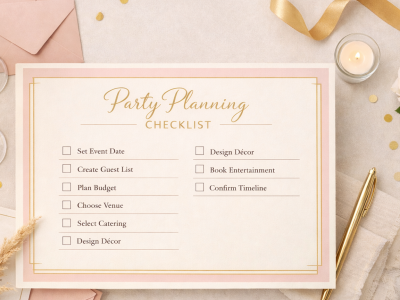
Hosting a memorable event requires more than good taste and enthusiasm. It takes structure, foresight, and a clear plan that respects your time. Whether you are hosting an intimate celebration or a large-scale gathering in Phoenix, a well-organized checklist keeps decisions intentional and prevents last-minute stress. This guide outlines the essential steps every host should follow to move from idea to execution with confidence.
Define the purpose and guest experience
Before selecting décor or menus, get clear on why you are hosting. Is this a milestone celebration, a professional achievement, or a meaningful gathering of people who rarely share the same space? Purpose shapes tone, timing, and budget.
From there, consider the guest experience. Think about arrival, flow, comfort, and departure. When you plan with the guest journey in mind, details align more naturally and the event feels cohesive rather than crowded with ideas.
Set a realistic budget and priorities
A thoughtful budget is not restrictive; it is clarifying. Decide early where you want to invest and where flexibility exists. This prevents overspending in one area and scrambling in another.
In Phoenix, costs can vary by season, venue availability, and vendor demand. Build in a modest contingency so decisions stay calm even when adjustments are needed.
Choose the right date and venue
The date and venue anchor every other decision. Consider guest availability, seasonal weather, and the type of experience you want to create. Outdoor events, for example, require different planning considerations in the Valley than indoor gatherings.
Once the venue is secured, confirm what is included and what needs to be sourced separately. This clarity avoids duplication and unexpected expenses later.
Build your planning checklist
This is where organization saves the most time. While every event is unique, most successful parties address the same core elements:
- Guest list development and invitation method
- Catering style and menu flow
- Rentals, décor, and layout
- Entertainment, programming, or special moments
- Timeline for setup, event flow, and teardown
- Vendor communication and confirmations
- Staffing and on-site support
- Contingency planning for weather or schedule changes
A single, centralized checklist keeps planning focused and prevents details from slipping through the cracks.
Secure vendors early and communicate clearly
High-quality vendors book quickly, especially during peak seasons in Phoenix. Secure key partners early and communicate expectations clearly. Share timelines, access details, and points of contact well in advance.
Clear communication reduces follow-up questions and allows vendors to deliver their best work without last-minute adjustments.
Design with intention, not excess
Design should support the purpose of the event, not compete with it. Select a cohesive color palette, style direction, and layout that feels appropriate for the occasion and the guest count.
Well-designed events feel polished because choices are edited. Every element should earn its place.
Confirm logistics and finalize details
As the event approaches, shift from planning to confirming. Review timelines, reconfirm vendors, finalize headcounts, and walk through the event flow step by step.
This is also the moment to confirm who is responsible for decision-making on the day of the event. Clear leadership prevents confusion when timing shifts or questions arise.
Be present on event day
On the day of the event, your role as host should be focused on people, not logistics. Whether you manage execution yourself or work with a professional planner, ensure someone is overseeing details, managing vendors, and keeping the timeline on track.
When execution is handled well, the event feels effortless to guests.
Close out thoughtfully
After the last guest leaves, there is still value in closing the loop. Confirm vendor wrap-up, review what worked well, and note improvements for future events. Gratitude matters too. A simple thank-you strengthens relationships and leaves a lasting impression.A clear checklist does more than organize tasks. It creates space for you to enjoy the reason you are hosting in the first place. With the right structure, party planning becomes a confident process rather than a source of stress, and the celebration reflects that calm from start to finish.

 Choosing the Right Corporate Event Planner: The Questions That Reveal Fit